The 5 Love Languages: Complete Guide to Understanding How You and Your Partner Give and Receive Love
Master the 5 love languages to transform your relationship. Learn your love language, understand your partner's, and discover practical ways to speak each language fluently.
Introduction
"I tell them I love them all the time, but they don't seem to feel it."
"I do so much for them, but they say I'm not affectionate."
"We both love each other, so why do we feel disconnected?"
Sound familiar? The issue isn't the amount of love—it's the translation. You might be speaking Japanese while your partner understands French.
Enter the 5 Love Languages, a framework created by Dr. Gary Chapman that's helped millions of couples bridge this communication gap.
What Are the Love Languages?
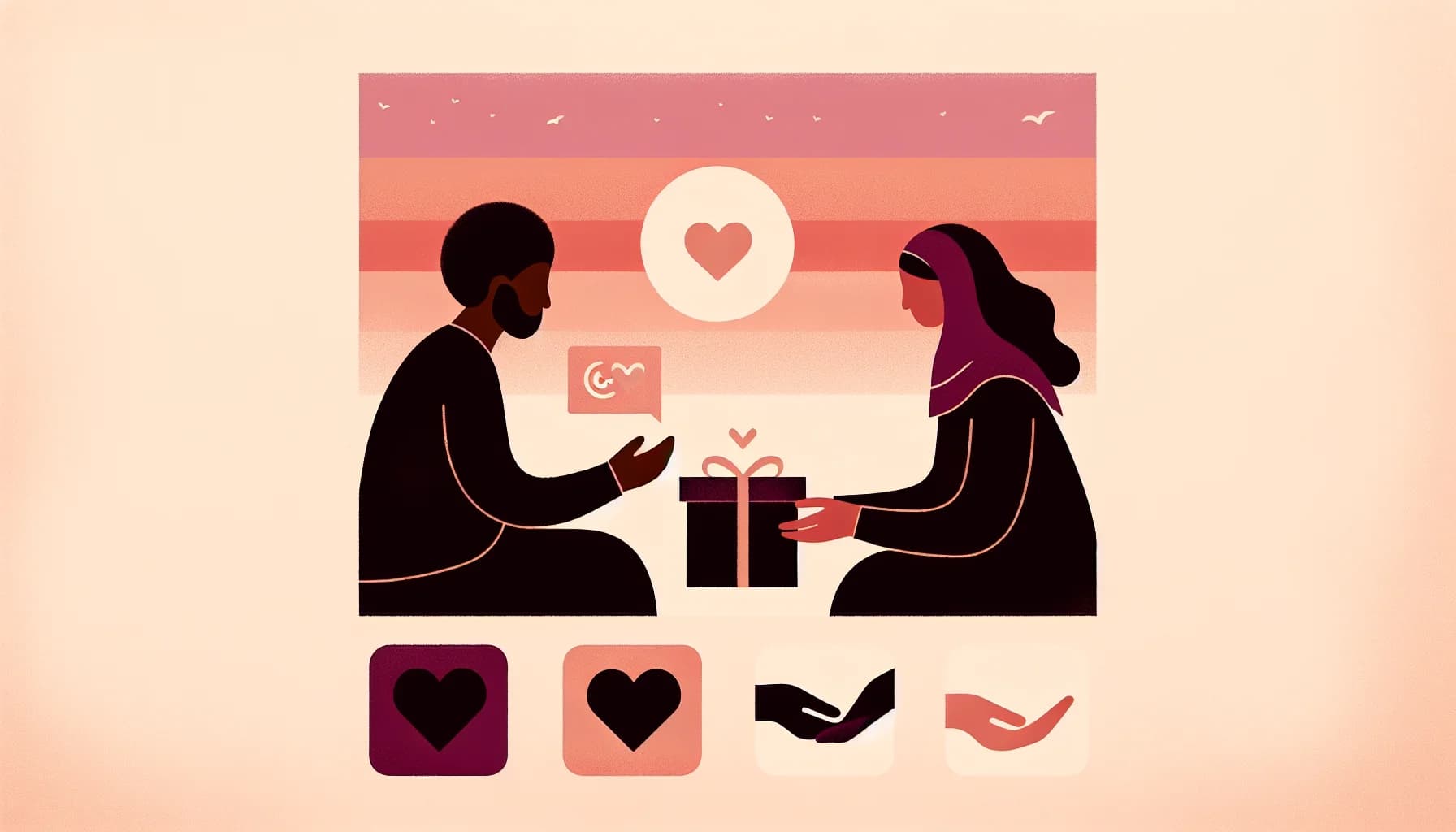
The premise is simple but powerful: people give and receive love in different ways. Your "love language" is how you most naturally express love and how you most clearly feel loved.
The five languages are:
- Words of Affirmation
- Quality Time
- Receiving Gifts
- Acts of Service
- Physical Touch
Most people have a primary and secondary love language. When your partner speaks your love language, your "emotional tank" fills up. When they speak a different language, their efforts might not register—even though they're trying.
The 5 Love Languages Explained
1. Words of Affirmation
Core need: Verbal acknowledgment and appreciation
People with this love language feel loved when they hear:
- "I love you" (and hearing it often)
- Specific compliments: "You're amazing at problem-solving"
- Appreciation: "Thank you for doing the dishes"
- Encouragement: "You're going to crush that presentation"
- Affectionate texts throughout the day
- Public acknowledgment of their efforts
What empties the tank:
- Harsh criticism
- Lack of verbal appreciation
- Dismissive comments
- Going days without hearing "I love you"
- Being corrected more than complimented
How to speak this language:
Daily:
- Send a loving text or voice note
- Say "I love you" before leaving and when reuniting
- Give one specific compliment
Weekly:
- Write a short note expressing appreciation
- Tell them something you admire about them
- Verbally acknowledge something they did
Pro tip: Be specific. "You're great" is nice. "The way you listened to me today without trying to fix it made me feel so supported" fills the tank.
2. Quality Time
Core need: Undivided attention and presence
People with this love language feel loved when:
- You put down your phone during conversations
- You plan dedicated time together
- You actively listen without distractions
- You engage in activities together
- You make eye contact and are fully present
- You remember details from conversations
What empties the tank:
- Being on your phone when together
- Canceling plans or showing up late
- Being physically present but mentally absent
- Choosing activities over connection
- Multitasking during their story
How to speak this language:
Daily:
- 10-15 minutes of undistracted conversation
- Make eye contact during check-ins
- Put devices away during dinner
Weekly:
- Plan a dedicated date or activity
- Take a walk together
- Cook a meal together without TV/phones
Monthly:
- Plan a longer adventure or day trip
- Try something new together
Pro tip: Quality time doesn't mean quantity. Thirty focused minutes beat five distracted hours.
3. Receiving Gifts
Core need: Tangible symbols of love and thoughtfulness
Important: This isn't about materialism. It's about the thought, effort, and intention behind the gift.
People with this love language feel loved when:
- You bring home their favorite treat
- You remember important occasions
- You give thoughtful (not necessarily expensive) gifts
- You pick up something that reminded you of them
- You save meaningful items (letters, tickets, photos)
What empties the tank:
- Forgetting important dates
- Giving thoughtless or last-minute gifts
- Not keeping meaningful items they gave you
- Only giving gifts out of obligation
How to speak this language:
Daily/Weekly:
- Bring home their favorite coffee/snack
- Send flowers "just because"
- Pick up something small that made you think of them
Special occasions:
- Put thought into gifts, not just money
- Create something personal
- Remember the details of what they mentioned wanting
Pro tip: Keep a running list on your phone of things they mention liking throughout the year.
4. Acts of Service
Core need: Actions that make their life easier
Philosophy: "Actions speak louder than words"
People with this love language feel loved when you:
- Do household chores without being asked
- Run errands to lighten their load
- Make their coffee in the morning
- Handle the task they've been dreading
- Take something off their plate when they're stressed
- Fix or organize something that's been bothering them
What empties the tank:
- Breaking commitments to help
- Creating more work for them
- Ignoring requests for help
- Being lazy or unhelpful
- Saying you'll do something then not following through
How to speak this language:
Daily:
- Do one task they usually handle
- Anticipate what would help them
- Follow through on what you said you'd do
Weekly:
- Take on a chore they dislike
- Run an errand for them
- Handle a task they've been postponing
Pro tip: Ask "What's one thing I could do this week that would make your life easier?" Then actually do it.
5. Physical Touch
Core need: Physical connection and affection
Important: This isn't just about sex. It's all physical affection.
People with this love language feel loved through:
- Holding hands
- Hugs (especially long ones)
- Kisses (goodbye, hello, random)
- Back rubs or massages
- Cuddling on the couch
- Physical proximity
- Sexual intimacy
- Gentle touches while passing by
What empties the tank:
- Physical distance or avoidance
- Rejection of affection
- Long periods without touch
- Using physical affection only for sex
- Flinching or pulling away
How to speak this language:
Daily:
- Morning and goodbye kisses
- Spontaneous hugs
- Hold hands during conversations
- Sit close together
- Touch their arm, back, or hand when passing
Weekly:
- Extended cuddling session
- Give a massage
- Make physical intimacy a priority
Pro tip: The "six-second kiss" and "twenty-second hug" are research-backed durations that release bonding hormones.
How to Discover Your Love Languages
Method 1: Take the Quiz
Dr. Chapman's official Love Languages quiz is free online. Both partners should take it.
Method 2: Self-Reflection
Ask yourself:
- What do I request most from my partner?
- What do I complain about most?
- How do I most naturally show love?
- When do I feel most loved by my partner?
Method 3: The Absence Test
What hurts most when it's missing?
- Not hearing "I love you" → Words
- Feeling ignored or distracted → Quality Time
- Forgotten special occasions → Gifts
- Undone chores despite asking → Acts of Service
- Lack of physical affection → Physical Touch
Method 4: Childhood Patterns
What did you crave as a child?
- Praise and encouragement → Words
- Parent's attention → Quality Time
- Presents and surprises → Gifts
- Help with tasks → Acts of Service
- Hugs and physical closeness → Physical Touch
Speaking Your Partner's Love Language
The Challenge
Most people naturally speak their own love language. If yours is Acts of Service, you show love by doing things for others. But if your partner's is Words of Affirmation, they need to hear it, not just see it in action.
The Practice
Step 1: Identify both your languages
Take the quiz together. Discuss results.
Step 2: Share what fills your tank
Be specific about what actions in your love language matter most.
Example for Quality Time: "I feel most loved when we have dinner together without phones, and you ask about my day and really listen."
Step 3: Commit to speaking their language
Even if it doesn't come naturally. It's learning a new language—awkward at first, fluent with practice.
Step 4: Don't keep score
This isn't transactional. The goal is connection, not equal tallies.
Step 5: Regular check-ins
Monthly: "How full is your love tank? What could I do better?"
Common Love Language Combinations
Same Love Language
Advantage: You naturally speak the same language
Challenge: May neglect other forms of connection
Solution: Intentionally practice other languages to add variety
Opposite Love Languages
Example: Physical Touch + Acts of Service
Challenge: May feel like you're constantly missing each other
Advantage: Once you understand each other's language, you complement each other well
Solution: Be extremely intentional. Set reminders if needed.
Multiple Primary Languages
Some people strongly identify with 2-3 languages.
Solution: Communicate which language you need most in different contexts (stressed = Acts of Service, celebrating = Quality Time, etc.)
Love Languages in Different Life Stages
New Relationships
Often multiple languages feel good. As the honeymoon phase ends, primary language becomes more important.
Long-Term Relationships
Languages can shift over time. A yearly check-in is valuable.
After Having Kids
Quality Time often becomes more valuable (because it's scarce). Acts of Service become more noticed.
During Stress
People revert to their primary language needs even more strongly.
Beyond Romantic Relationships
Love languages apply to all relationships:
- Parent-child
- Friendships
- Coworkers
Understanding love languages helps all your relationships.
Common Mistakes
1. "My partner should just know"
Mind-reading isn't a love language. Communicate your needs.
2. "I'm showing love my way, that should be enough"
No. You must speak their language, not yours.
3. "I don't like their love language"
You don't have to enjoy it for yourself—just recognize it matters to them.
4. "Our love languages are incompatible"
No combination is incompatible. All require effort and intention.
5. Using it as a weapon
"You never speak my love language!" becomes another criticism. Use the framework constructively.
Putting It All Together
Here's your action plan:
This Week:
- Both take the love languages quiz
- Share and discuss results
- Each person shares 3 specific ways their partner can speak their language
This Month:
- Daily: Do one thing in your partner's primary love language
- Weekly: Do something in their secondary language
- Check in: "How full is your love tank this week?"
Ongoing:
- Keep learning and refining
- Adjust as life changes
- Remember: effort = love
The Bottom Line
Love languages aren't about excusing poor behavior or putting your partner in a box. They're a tool for understanding and connection.
The goal isn't to perfectly speak your partner's love language every day. It's to be aware, make effort, and keep learning how to love them in a way they can feel.
Because ultimately, love isn't just about what you feel—it's about what your partner receives.
Want to discover your love language together? Cuddle offers a Love Language quiz with personalized insights and daily prompts to help you practice speaking each other's language.
Transform Your Relationship Now!
Build deeper intimacy through expert-guided exercises.